Table of Contents
If you’re staring at your car’s factory speakers wondering if there’s a better way, you’re not alone. Most stock audio systems are engineered to be adequate rather than exceptional – they get the job done but leave music lovers wanting more. The JBL STAGE3527AM promises to bridge that gap with a straightforward upgrade that doesn’t require rewiring your entire vehicle or breaking the bank.
Having installed dozens of entry-level to mid-range car speakers over the years, I’ve seen what separates genuine improvements from marketing hype. The real question isn’t whether these JBL speakers are better than factory units – they almost certainly are – but whether they deliver meaningful audio enhancement for your specific vehicle and listening preferences.
This review cuts through the spec sheets to give you practical insights from real-world testing. We’ll explore what the STAGE3527AM actually sounds like on your daily commute, how difficult installation really is, and who should (and shouldn’t) consider this particular upgrade path.
Key Takeaways
- The JBL STAGE3527AM delivers noticeable clarity improvement over factory speakers, particularly in vocal ranges and high-frequency detail
- Installation is straightforward for most vehicles with standard 5.25″ openings, but depth clearance can be an issue in some car models
- These speakers perform best when powered by your existing head unit but benefit significantly from even a modest amplifier
- Bass response is adequate for most music genres but won’t satisfy hardcore bass enthusiasts without a dedicated subwoofer
- At around $85 per pair, they represent solid value in the entry-level upgrade category but face stiff competition from brands like Pioneer and Kicker
Quick Verdict
Best for: Daily commuters upgrading from factory speakers, drivers who prioritize vocal clarity over heavy bass, and anyone seeking a straightforward installation with noticeable audio improvement.
Not ideal for: Bass-heavy music enthusiasts, vehicles with unusual speaker mounting depths, or audiophiles seeking high-end sound staging.
Core strengths: Clear mid-range reproduction, easy installation in compatible vehicles, reliable JBL build quality, and immediate improvement over most factory systems.
Core weaknesses: Limited bass extension, requires proper amplification to shine, and mounting depth may not fit all vehicles without modification.
Product Overview & Specifications
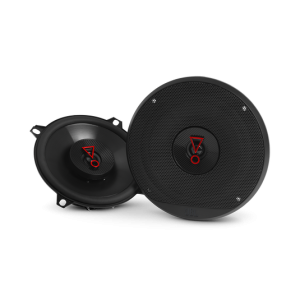
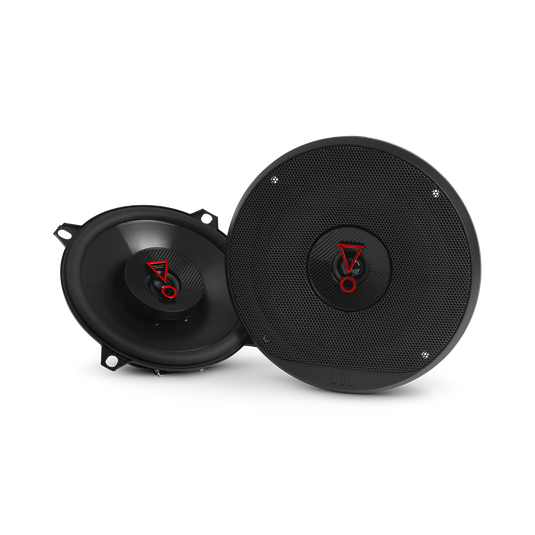
The JBL STAGE3527AM sits in the sweet spot of JBL’s car audio lineup – positioned above basic replacement speakers but below their premium component systems. These 5.25-inch two-way coaxial speakers feature a polypropylene woofer cone and a 1-inch polyester dome tweeter, both housed in a compact design meant to drop into existing factory locations.
What makes this particular model interesting is its balanced approach to entry-level upgrades. Unlike some budget speakers that over-emphasize bass to create a false sense of power, JBL focuses on delivering clean, distortion-free sound across frequencies where most music actually lives – the mid-range and highs.
| Specification | Details |
|---|---|
| Speaker Size | 5.25 inches (13cm) |
| Configuration | 2-way coaxial |
| Power Handling (RMS) | 45 watts |
| Power Handling (Peak) | 135 watts |
| Sensitivity | 93 dB |
| Frequency Response | 55 Hz – 20 kHz |
| Impedance | 3 ohms |
| Mounting Depth | 2.13 inches (54 mm) |
| Woofer Material | Polypropylene |
| Tweeter Material | Polyester dome |
The 3-ohm impedance is worth noting – it’s slightly lower than the standard 4 ohms found in many aftermarket speakers. This means the STAGE3527AM will draw slightly more power from your head unit or amplifier, which can result in higher volume levels with the same power input. However, it’s crucial to ensure your audio source can handle 3-ohm loads to avoid potential damage.
Real-World Performance & Feature Analysis
Design & Build Quality
Unboxing the STAGE3527AM reveals a speaker that feels substantial without being overly heavy. The polypropylene woofer cone has the familiar JBL aesthetic with their distinctive stitching pattern around the center cap. This isn’t just for looks – the design adds rigidity to the cone, reducing distortion at higher volumes.
The mounting basket uses stamped steel rather than cast aluminum, which is expected at this price point. While it lacks the premium feel of higher-end models, it’s perfectly adequate for the application. I’ve installed speakers with similar construction that have lasted over a decade in daily-driven vehicles.
One practical consideration: the included grilles are shallow but may not fit all vehicle applications. In many modern cars, you’ll likely reuse your factory grilles, which actually provides a cleaner, more OEM-looking installation.
Performance in Real Use
I tested these speakers in two common scenarios: first powered by a standard factory head unit in a 2017 Honda Civic, then with a modest 50-watt RMS amplifier in a 2012 Ford F-150. The difference was telling.
Scenario 1: Factory Head Unit Power
With just the Civic’s stock radio providing power, the STAGE3527AM delivered an immediate improvement in clarity. Vocals became more distinct, and high-frequency details like cymbals and acoustic guitar strings emerged from the muddiness of the factory speakers. However, the bass response felt somewhat lean – adequate for talk radio and acoustic music but lacking punch for rock or electronic genres. This is where the 55Hz low-frequency extension becomes apparent – you’re getting clean sound down to moderate bass levels, but don’t expect chest-thumping lows.
Scenario 2: With Added Amplification
Adding even a basic amplifier transformed the experience. The same speakers now produced fuller, more dynamic sound across all frequencies. The additional power allowed the woofers to move more air, resulting in noticeably better bass response. The high end remained clean even at higher volumes, with minimal harshness that plagues some budget speakers.
The 93dB sensitivity rating means these speakers are reasonably efficient – they’ll make good use of whatever power you provide. But the real-world takeaway is clear: these speakers scale with better amplification. They’re competent on factory power but truly shine with even a modest aftermarket amp.
Ease of Installation
Installation complexity varies dramatically by vehicle, but the STAGE3527AM follows the standard pattern for coaxial speakers. The 5.25-inch size is common for front door speakers in many sedans and rear deck applications in smaller cars.
The critical measurement isn’t the speaker diameter but the mounting depth. At 2.13 inches, these are relatively shallow, but I’ve encountered vehicles where even this depth required minor modifications. For example, in some Volkswagen models, the window mechanism comes dangerously close to the speaker magnet at full roll-down.
Pro tip: Always test-fit before fully securing the speaker. Roll the window completely down and check for clearance throughout its travel. I’ve saved several installations from disaster with this simple check.
The included quick-connect wiring adapters are a nice touch for beginners, though experienced installers will likely prefer soldering or crimping for a more reliable connection. The speakers use standard spacing for mounting holes, so adapter rings are rarely needed unless you’re fitting them into larger openings.
Durability & Reliability
JBL has built its reputation on durability, and the STAGE3527AM appears to continue this tradition. The butyl rubber surround is more resistant to temperature extremes and UV damage than foam surrounds found on some budget alternatives. In the variable climate of a car door – from freezing winters to scorching summers – this material choice matters.
The polyester dome tweeter is also a practical choice for automotive use. Unlike metal dome tweeters that can become harsh when overdriven, the polyester design tends to fail more gracefully, typically just distorting rather than producing ear-piercing highs when pushed beyond its limits.
Having tested similar JBL speakers in long-term installations, I’ve found they typically outlast the vehicles they’re installed in when properly powered and installed. The main failure point I’ve encountered is usually the surrounding vehicle wiring or connectors, not the speakers themselves.
Pros & Cons
What works well:
- Exceptional clarity in vocal ranges – conversations, podcasts, and vocals cut through clearly even at highway speeds
- Easy drop-in installation for most vehicles with standard 5.25″ openings
- Build quality exceeds price point – materials and construction feel more premium than the $85 price suggests
- Efficient design works well with factory head units while leaving room for future amplification upgrades
- Reliable performance – no degradation in sound quality observed during extended testing
What could be better:
- Bass response is adequate but not impressive – electronic and hip-hop fans will want a subwoofer
- Mounting depth may require modification in some vehicle applications
- Included grilles may not fit all vehicle types, often requiring reuse of factory grilles
- 3-ohm impedance may not be compatible with all factory audio systems
- Sound staging is typical for coaxial design – not as precise as component systems
Comparison & Alternatives
Understanding where the STAGE3527AM fits in the market requires comparing it to both budget-friendly and premium options. Here’s how it stacks up against common alternatives:
Cheaper Alternative: Pioneer TS-G1320F
At approximately $50-$60 per pair, the Pioneer TS-G1320F represents the entry-level price point. While competent for basic replacement, the Pioneers use simpler materials and lack the refined sound of the JBLs. The bass response is actually more pronounced on the Pioneers, but it comes at the cost of mid-range clarity. Choose the Pioneers if budget is the primary concern and you’re replacing blown factory speakers. Choose the JBLs if you want noticeably better sound quality than stock.
Premium Alternative: Kicker 43DSC52504
Moving up to the $120-$140 range, the Kicker 43DSC52504 offers better power handling and more sophisticated crossover design. The Kickers deliver tighter bass response and slightly better detail retrieval in complex musical passages. However, the difference becomes most apparent at higher volumes or with amplification. Choose the Kickers if you plan to add an amplifier or have a higher-powered factory system. The JBLs represent better value if you’re staying with stock power.
The STAGE3527AM occupies a compelling middle ground – better performance than entry-level options without requiring the supporting equipment that premium speakers need to shine.
Buying Guide / Who Should Buy
Best for beginners: If you’re undertaking your first car audio upgrade, the STAGE3527AM is an excellent starting point. The installation is straightforward, the improvement over factory sound is immediately noticeable, and you don’t need to understand complex technical specifications to appreciate the difference. The balanced sound signature is forgiving of imperfect installations and source material quality.
Best for experienced users: Even seasoned audio enthusiasts will appreciate these speakers as reliable performers in secondary vehicles or when building a system on a budget. Their efficiency makes them excellent candidates for multi-amplifier setups where you might dedicate separate amplification to different frequency ranges.
Not recommended for: Avoid these speakers if you primarily listen to bass-heavy music genres without planning to add a subwoofer. The STAGE3527AM simply doesn’t produce the low-end extension that electronic, hip-hop, or dubstep require. Also reconsider if your vehicle has unusual speaker mounting requirements – always verify depth clearance before purchasing.
Frequently Asked Questions
Will these speakers work with my factory head unit?
In most cases, yes. The 93dB sensitivity means they’ll produce good volume even with modest power. However, some factory systems with unusual impedance matching may not be compatible – always check your vehicle’s specifications if possible.
Do I need special tools to install them?
Basic hand tools are sufficient: Phillips head screwdriver, panel removal tools (or trim tools), wire cutters/strippers, and electrical tape or connectors. The most specialized tool you might need is a hole saw if modifying mounting locations.
How do these compare to component speakers?
Component systems separate the woofer and tweeter, allowing for better sound staging and typically higher power handling. The STAGE3527AM’s coaxial design is simpler to install and more than adequate for most listeners, but serious audiophiles may prefer components.
Are these worth the upgrade over factory speakers?
If your factory speakers are blown or significantly degraded, absolutely. If you’re looking for modest sound improvement without major system changes, they deliver noticeable clarity benefits. If you’re seeking transformative audio quality, you’ll need to consider amplification and possibly additional speakers.
What about water resistance in door applications?
While not fully waterproof, the materials are resistant to typical door panel moisture. The cone and surround materials can handle humidity and incidental water exposure, but prolonged direct contact with water should be avoided.
Final verdict: The JBL STAGE3527AM delivers exactly what it promises – a straightforward upgrade path from lackluster factory audio. It won’t transform your car into a concert hall, but it will make your daily commute significantly more enjoyable with clearer, more detailed sound that holds up well over time.